The Columbia Undergraduate Law Review (CULR) is Columbia University's premier undergraduate legal publication. CULR publishes long-form pieces by undergraduate students from across the globe in its print journal as well as original pieces by Columbia and Barnard undergraduates in its online journal and its roundtable, current events, and podcasting initiatives.
The goal of CULR is to provide Columbia University and the public with opportunities for the discussion of law-related ideas and the publication of undergraduate legal scholarship.
Latest Print Journal
Volume XXII Issue III: Summer 2026
Featured Articles from our Online Division

Elon Musk was once the poster child for the environmentalism and techno-accelerationism that defined 2010s corporate culture. In his Time Person of the Year interview in 2021, Musk remarks, “I admire anyone who is making a positive contribution to humanity, whether that is in entertainment or technology.” Like many tech CEOs, he has since outlived that vision, embracing artificial intelligence (AI) with the express approval of the federal government, where he once held a vital—and deeply controversial—role. Today, the growing power of American government-corporate syncretism, the future being built by the first American trillionaire and his peers, is currently testing its limits in a federal courthouse in Mississippi.

Oftentimes, the communities most affected by environmental decisions have the least influence over the formal decision-making process. Although environmental review laws provide opportunities for public participation, affected communities struggle to ensure that their environmental concerns guide government decisions when the court’s review prioritizes the satisfaction of procedure over the substance of said concerns. In the case of the controversy surrounding the proposed Manhattan borough-based jail in Chinatown, the approval of the “Megajail” did not consider public participation meaningfully. Contrary to the decision by the Supreme Court of the State of New York in Matter of Neighbors United Below Canal v Mayor Bill de Blasio (2021), the agency approval should be deemed arbitrary and capricious under Civil Practice Law and Rules (CPLR) Article 78 and annulled.
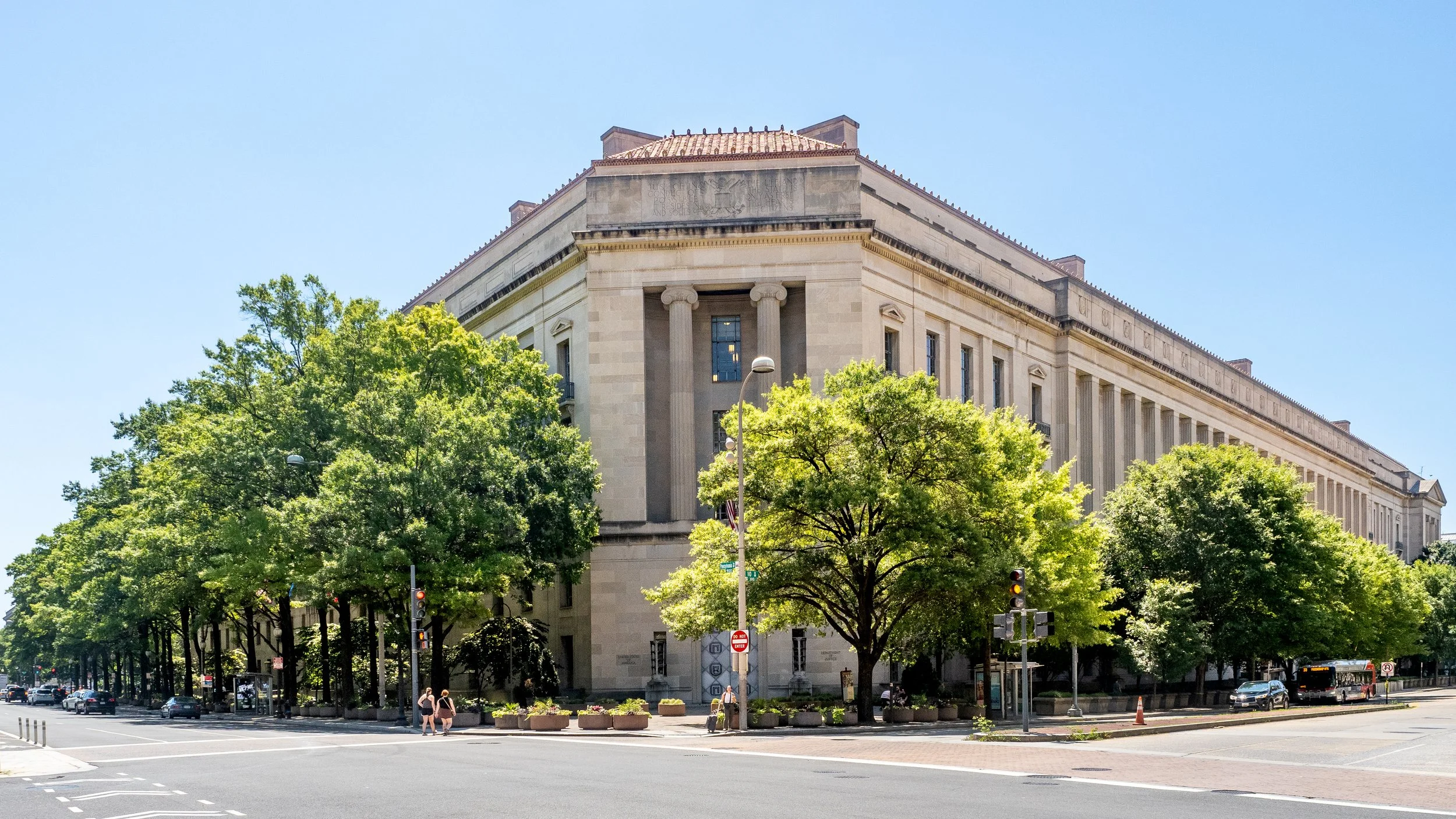
“The record of dysfunction that prevailed for many years was astonishing. Today HSBC is paying a heavy price for its conduct,” proclaimed Assistant Attorney General Breuer for the Criminal Division of the U.S. Department of Justice (DOJ). The “conduct” that Assistant Attorney General Breuer was referring to was HSBC Bank USA’s failure to implement sufficient anti-money laundering controls. From 2006 to 2010, over $881 million, fueled by the international drug trade, would enter the American financial system through HSBC banks. Yet, the “heavy price” that Breuer promised did not involve the prosecution or sentencing of top officials. There was not even a trial. Rather, the DOJ sought to defer prosecution. Instead of pursuing criminal penalties, the DOJ allowed HSBC to demonstrate compliance by entering into a Deferred Prosecution Agreement (DPA) with the firm. The agreement included terms such as replacing the firm’s top leadership executives, retaining an independent compliance monitor, and forfeiting $1.256 billion. In entering a DPA with HSBC, the DOJ registered another entry in its evolving strategy to combat corruption.

Following the turn of the century and the shooting at Columbine High School in 1999, the United States began implementing “active shooter drills.” According to the New York State Education Department, an active shooter drill, or a “lockdown” drill, is defined as the “essential steps necessary to lockdown in an emergency (clear the hallway, lock/barricade doors, hide from view and remain silent until law enforcement gives the ‘all clear’).” As more tragic events unfolded, lockdown drills rapidly expanded. By 2016, approximately ninety-five percent of public schools reported drilling students on lockdown procedures, making these exercises a routine part of the American educational experience. While lockdown drills have long been conducted, some districts have shifted toward increasingly hyper-realistic active shooter simulations which involve artificial gunfire, victims, blood, and more intense sensory elements designed to replicate an authentic school shooting.

Stroll the streets of New York City, and chances are, whether the fact has dawned on you or not, you will pass beneath a few—perhaps even 8,500—narrow chutes of metal poles and planking that dot the city’s environs. Otherwise known as sidewalk sheds, or most famously scaffolding, these structures are entrenched in the city’s collective identity every bit as much as hotdog vendors, dollar slice pizzas, or corner bodegas. As of late, property owners throughout the city have been beset by encroaching scaffolding, some of which have persisted for upwards of a decade, depriving neighboring owners of the use and enjoyment of their property and the revenues their businesses would otherwise generate.

When fourteen-year-old Sewell Setzer III took his own life after months of intimate, sexualized exchanges with a companion chatbot, the firm that built it immediately reached for the First Amendment. Character Technologies argued that its users had a First Amendment right to receive what the chatbot produced, and that the precedent shielding books, films, and video games from tort liability should shield a large language model (LLM) as well. Judge Anne Conway denied the motion. She accepted that Character Technologies could assert the First Amendment rights of its users, yet she was “not prepared to hold that Character A.I.’s output is speech” at this stage of the case. [1] The company thus had standing to assert a right to receive speech the court would not yet call speech.

In 2019, a jury decided that Katy Perry owed 2.8 million dollars for a sequence of eight descending notes on a minor scale. The notes formed an ostinato, a short repeating line of notes, in her hit, “Dark Horse,” and the rapper Flame claimed that she took them from his song, “Joyful Noise.” Three years later, the Ninth Circuit threw the verdict out in Gray v. Hudson, stating that the pattern was made entirely of commonplace musical elements that no one can own.[1] The court warned that giving this protection to something as simple as that ostinato could essentially create a precedent of handing one artist a monopoly over a basic building block of music itself. Today, those same eight notes of the ostinato can create a piece of music from a simple text prompt. New AI tools like Suno and Udio generate full songs in minutes, trained on more music than any person could hear in a lifetime. These rapid developments have already pulled such companies into federal court; sooner or later, a court will once again have to refine how musical copyright infringement exists in the context of AI.
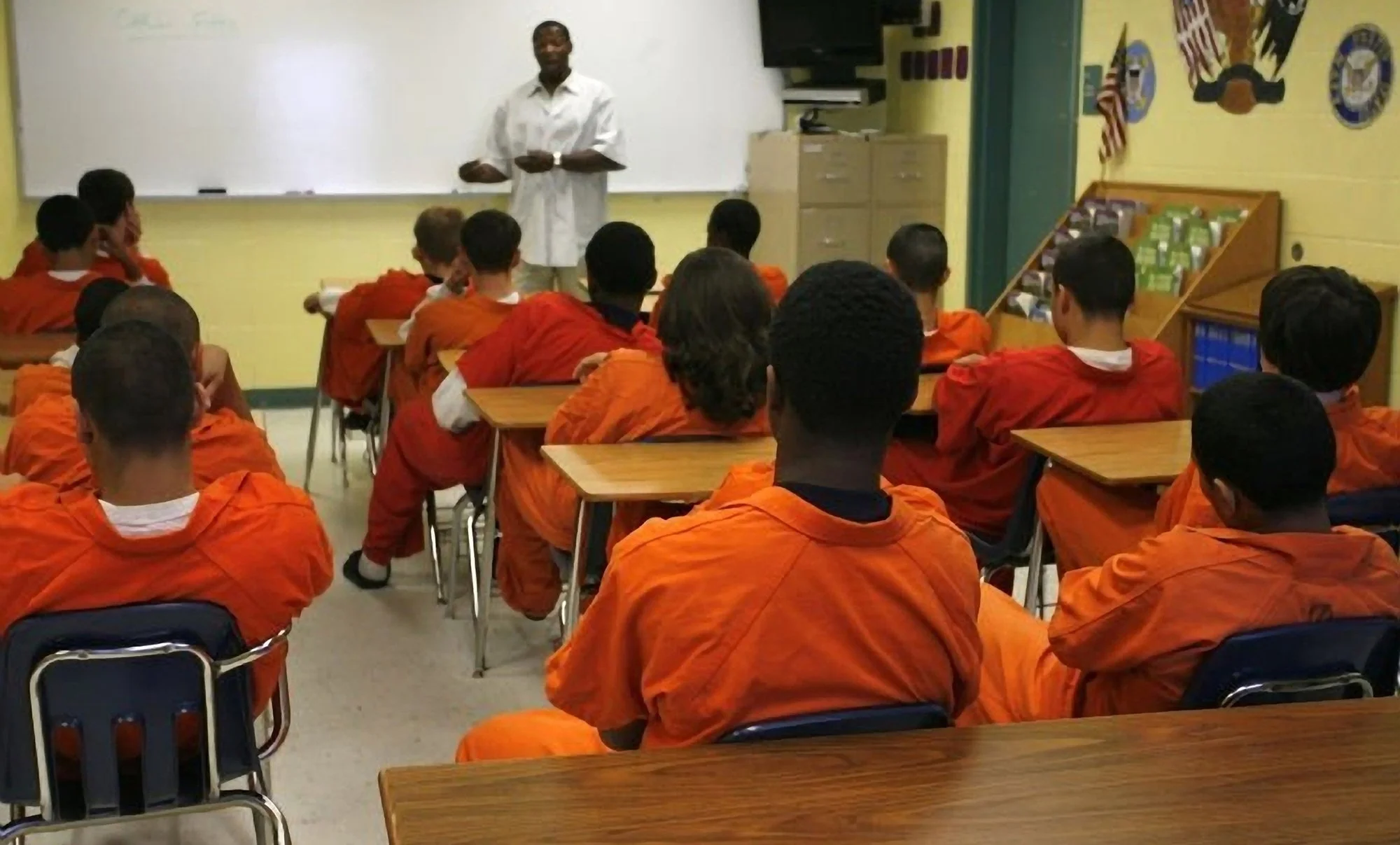
Every year, tens of thousands of children in the United States become victims of commercial sex exploitation (CSE). Yet depending on where they live, these children may be treated very differently by the justice system. Some states divert them into specialized programs designed to promote healing and reintegration into society, while others prosecute them as juvenile offenders. This disparity raises an important question: should a child’s access to justice depend on where they live? Specialized courtrooms such as Los Angeles County’s Succeeding Through Achievement and Resilience (STAR) Court, created to address this disparity, show that these children can be treated as victims rather than offenders. However, replicating this success nationwide demands more than simply copying its court model. That is, states must first enact strong safe harbor protections, specifically immunity paired with mandatory referral, and then commit the sustained funding and institutional coordination needed to sustain programs like this.

In 2018, twenty-four-year-old Hannah Catton had symptoms of bloating, extreme abdominal pain, multiple urinary tract infections, significant fatigue, and irregular menstrual cycles. For three years, she went to numerous physicians across Australia and the United Kingdom. Every doctor sent her away, claiming the symptoms were due to stress or hormonal changes. After years of terrible and worsening pain, an ovarian tumor the size of a volleyball was discovered that needed immediate surgery. Catton felt she “knew something was wrong” way before any doctor was ready to believe her.
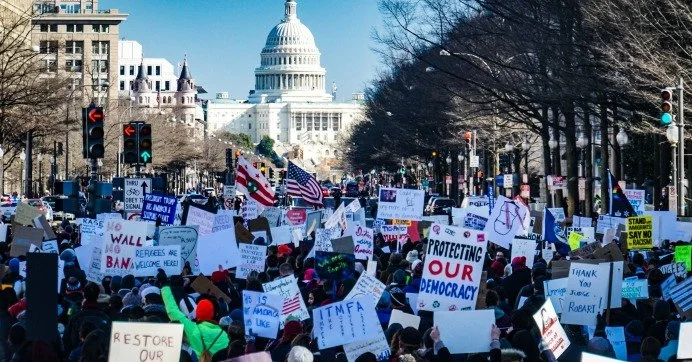
The First Amendment to the Constitution declares that “Congress shall make no law…prohibiting the free exercise…or abridging the freedom of speech”. [1] Although this clause generally protects regular citizens’ and everyday workers’ right to free speech, the rights of those employed by the government are more limited. There has been a long-standing tension between protecting First Amendment rights for public employees and the need for government employers to manage workplace disruptions. This struggle has been significantly evident in the courts as judges attempt to balance government interests with public employees’ civil rights. On one hand, officials recognize the necessity of a government workplace that refrains from conflicts. However, they also acknowledge the unique and essential role public employees play in serving as an unofficial check on the government, uncovering misconduct within the government, and redressing their grievances. [2].
According to EPA statistics, the U.S. vehicle sector produces enough emissions annually that, if it were a separate country, it would be the fifth-largest source of greenhouse gases in the world. [1] For nearly two decades, the EPA’s 2009 Endangerment Finding has served as the legal and scientific foundation for regulating these emissions through the Clean Air Act. However, under the second Trump Administration, the agency has recently reversed course, rescinding the Endangerment Finding, directly contradicting its own data, and allowing these emissions to continue unchecked. In light of this stark departure from the scientific consensus and past regulatory practice, this article will evaluate the merits of the legal reasoning the EPA used to rescind the Endangerment Finding. It argues that the EPA’s final rule raises serious questions about consistency with statutory text in the Clean Air Act, divergence from established legal precedent, and disregard for scientific evidence supporting greenhouse gas regulations. Moreover, if the EPA rule is brought to the Supreme Court, the rescission would likely face significant legal challenges, even against the current conservative-majority Court.
In modern America, democracy can be drawn on a map. The universal right to vote means little if the power of that vote can be engineered away. [1] In Black Voters Matter Capacity Building Institute v. Byrd (2025), the Florida Supreme Court upheld a congressional map that eliminated a Black-performing district, effectively subordinating Florida's non-diminishment clause to the Equal Protections Clause. [1] While the Equal Protection Clause prohibits racial classifications without sufficient justification satisfying strict scrutiny, the Fair Districts Amendment imposes an obligation to protect minority voters’ ability to elect candidates of their choice. [2] By treating these two clauses as incompatible, the Florida Supreme Court has effectively turned a protective measure into a nullity.
In recent years, politicians across the political spectrum have brought the topic of private university tax-exemption into national discourse. In 2023, then-New York State Assemblymember Zohran Mamdani proposed the REPAIR Act, aiming to revoke the 501(c)3 statuses of Columbia University and New York University which exempts them from federal income and state property taxes due to their designation as charitable organizations, on grounds of “egregious property accumulation.” [1] More recently, President Donald Trump called for the revocation of the tax-exempt status of Harvard University for alleged antisemitic policy. [2] In June, the Treasury Department considered a blanket rule change to remove tax-exemption from universities that consider race in admissions. [3] In the cases where figures or entities challenged private university 501(c)3 status through action beyond mere words, they—namely Mamdani and the Treasury—only considered the strategy of changing the tax law itself. By comparison, little attention has been paid to whether legal avenues exist for revoking 501(c)3 status through the courts. While there may be practical barriers to litigation, several legal avenues for revocation have been affirmed by the courts and are applicable to the contemporary context of elite private universities.

On March 18, 2026, 10 European Union (EU) Member States sent a letter to the European Commission, labeling the bloc’s carbon regulation policy an “existential risk” to industrial sectors and calling for immediate reform. [1] The letter comes amid the broadening controversy over the expansion of the EU’s carbon mitigation programs. Under the European Climate Law, the EU has committed to collective greenhouse gas (GHG) reductions, instituting a variety of widely successful economic-based policy measures to support its objectives. Now, the EU is endeavoring to expand the system with the Emissions Trading System (ETS2), a cap-and-trade regulatory framework that seeks to cover an industry previously unaccounted for: fuel supply. According to a report released by the European Commission, “emission reductions in those sectors have been insufficient to put the EU on a firm path towards its 2050 climate neutrality goal” and “The ETS2 cap will be set to bring emissions down by 42% by 2030.” [2] The program is anticipated to become fully operational in 2028, yet reporting and monitoring of the relevant sectors have already commenced. [3]
On January 2, 2026, after the Italian Sports Federation (FISG) published its list of selected athletes for the Milano Cortina Olympic Winter Games, Italian curler Angela Romei challenged her omission from the Italian women’s team. In response, the Ad Hoc Division of the Court of Arbitration for Sport (CAS), an arbitration tribunal that resolves disputes in international sports, dismissed her application on February 8, 2026. The sole arbitrator, who wields authority to make a final decision, explained how national sports federations have full prerogative in selecting athletes unless decisions are deemed “arbitrary, unreasonable, or in bad faith,” which Romei failed to provide compelling evidence for. [1] Due to the CAS’s highly deferential standard of review, athletes’ ability to successfully challenge disputes regarding misappropriations in selection criteria or violations of due process becomes limited, which negatively affects the legal protection of athletes.
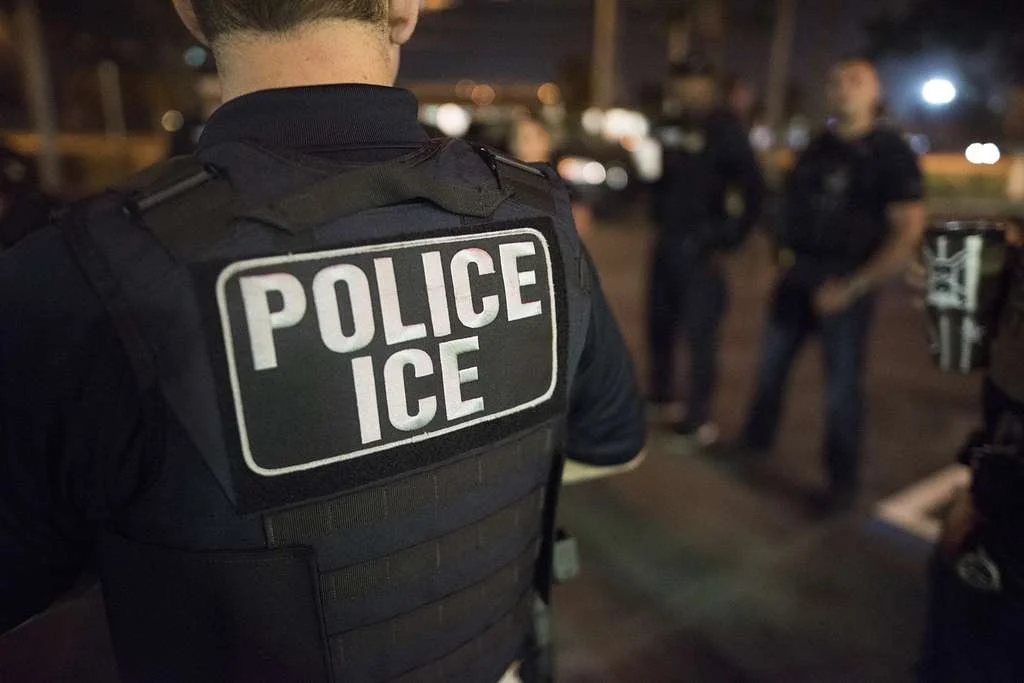
Immigration and Customs Enforcement’s (ICE) presence in the U.S. has increased, most recently with officers being deployed to airports in major cities to support airport security operations. With ICE officers in the headlines as a result of this heightened presence, there has been increasing attention on immigration detention centers and the constitutionality of their policies and treatment of non-citizens.
Featured Roundtable Contributions

This Roundtable was written and edited by CULR’s Summer Publishing Program (SPP) staff. The Summer Publishing Program is an opportunity for incoming Columbia students or new CULR staff to contribute to the publication over the Summer Term. To apply to SPP, check for our yearly application, posted at the end of the Spring Term.

This Roundtable was written and edited by CULR’s Summer Publishing Program (SPP) staff. The Summer Publishing Program is an opportunity for incoming Columbia students or new CULR staff to contribute to the publication over the Summer Term. To apply to SPP, check for our yearly application, posted at the end of the Spring Term.
This Roundtable was written and edited by CULR’s Summer Publishing Program (SPP) staff. The Summer Publishing Program is an opportunity for incoming Columbia students or new CULR staff to contribute to the publication over the Summer Term. To apply to SPP, check for our yearly application, posted at the end of the Spring Term.

On Monday, December 8, 2025, the San Francisco Asian Art Museum returned four bronze statues to the Thai government after a fifty-year ownership dispute. As Thailand’s ambassador to the United States, Suriya Chindawongse, commented, “their repatriation not only safeguards an important part of heritage, but allows their history to continue as an enduring part of the Thai nation.” The return of sculptures is part of a growing trend known as repatriation, as museums face increasing pressure to return objects to their countries or communities of origin. In recent years, museums have returned hundreds of artifacts acquired through colonial or illegal means: the U.S. Homeland Security Investigations has reported returning more than 20,000 artifacts since 2007. Repatriation advocates highlight that ownership over cultural artifacts often stems from a legacy of slavery, Western colonialism, and systemic violence. These injustices are minimized when cultural heritage is governed and owned by those same agents of oppression. Current laws and international frameworks governing repatriation in the United States ultimately treat cultural artifacts as transferable property rather than as objects of cultural significance. The prioritization of legal title and chain of possession over cultural significance allows museums and states to maintain exclusive control over artifacts that once belonged to indigenous communities or other nations, entrenching colonial ownership.
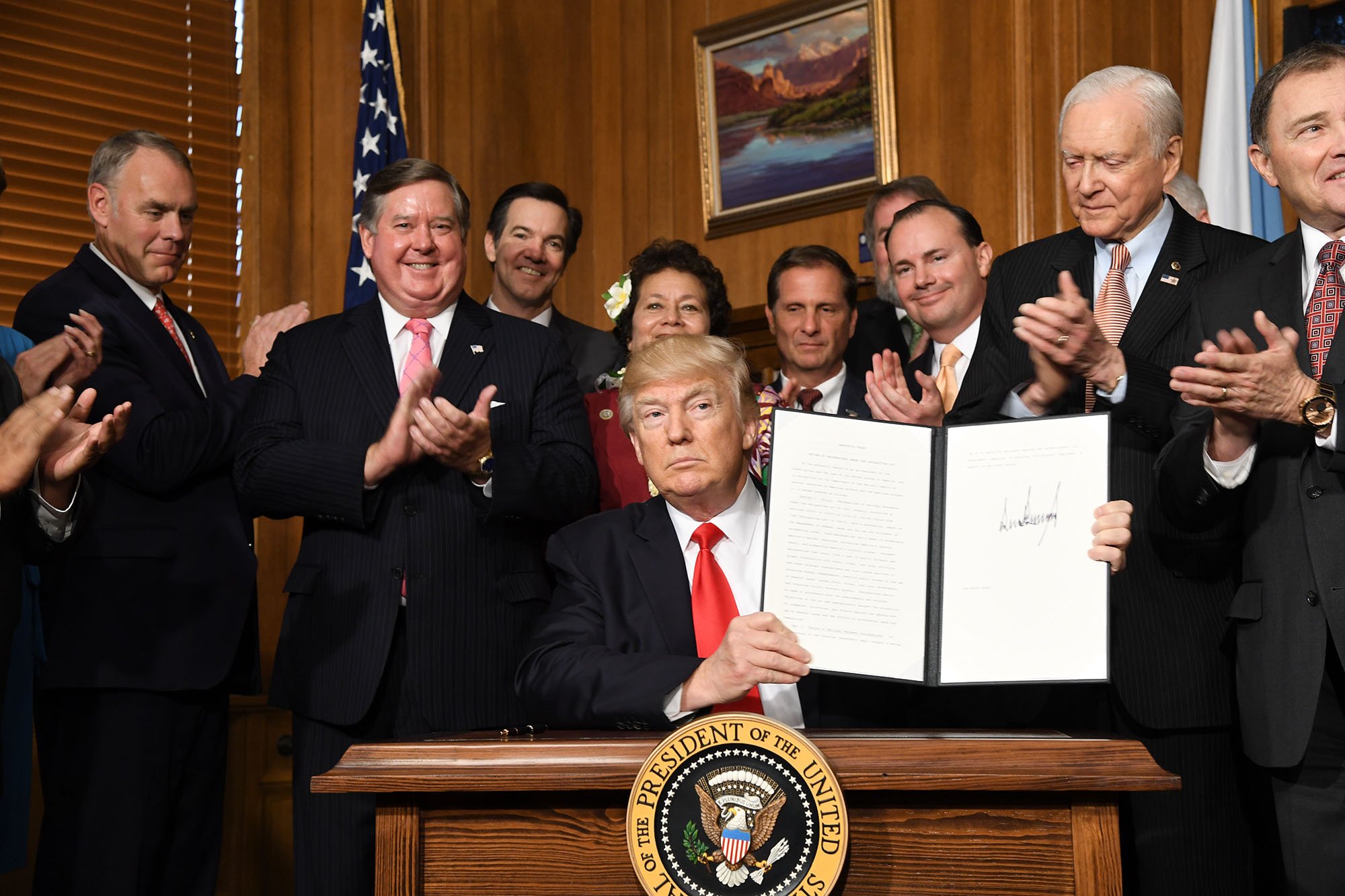
On March 25, 2025, President Trump issued Executive Order (EO) 14248, “Preserving and Protecting the Integrity of American Elections”, creating constitutional tension between federal authority and state control over election administration. The EO includes provisions to strengthen voter citizenship verification and exclude student and employee IDs from eligibility for voter registration. Trump framed the order as an effort to “enforce federal law and to protect the integrity of our election process.” Executive orders, directives constitutionally designed to be issued by the president, have emerged into the spotlight as a controversial piece of policy, especially with President Trump signing 225 executive orders in 2025, raising constitutional questions on the power of the executive. Specific to EO 14248, the Constitution’s Elections Clause, Article I, Section 4, Clause 1 sanctions state legislatures’ authority over the “time, place, and manner” of congressional elections but allows for Congress to make any other changes with the exception of the place of choosing senators. Trump’s Executive Order 14248 raises constitutional questions under the framework of the Elections Clause by attempting to nationalize elections and expand presidential power into areas reserved for state legislatures and Congress. With legal tensions over federal and state control on election administration, the order raises concerns of disenfranchising voters, the potential for federal overreach.

Debates over campus discrimination increasingly turn on questions of who bears responsibility for enforcing federal civil-rights norms and how those obligations should be integrated into university governance. Title VI, which prohibits discrimination on the basis of race, color, or national origin, sits at the center of this problem. As federal expectations expand and institutional compliance structures become more complex, universities must navigate a landscape in which regulatory pressure, expressive freedom, and internal administrative authority are in continual tension. The result is a system where the contours of enforcement are shaped less by systematized doctrine than by the bureaucratic arrangements that interpret it. Against this backdrop, New York’s recently enacted Senate Bill S4559B, requiring institutions to appoint Title VI coordinators, invites evolution through the Barnard-Columbia settlement, which provides an early example of how such officers operationalize federal mandates and structure campus-level enforcement.
On August 1, 2024, a Louisiana law went into effect allowing judges to order defendants found guilty of certain sex crimes against minors to undergo castration. Surgical castration involves a physician removing a person’s testicles, resulting in a permanent reduction in the production of testosterone. Since testosterone is linked to libido, the goal of the Louisiana law is to limit the drive that compels sexual predators to abuse minors. However, the discretion granted to judges making such sentences in sex-related convictions raises issues regarding consent, permanence, and the effectiveness of the procedure. This has led some legal scholars to view punitive castration, as permitted by Louisiana, as unconstitutional. However, when examining the constitutionality of the law as well as the state’s substantial interest in reducing the recurrence of sexual offenses, there is some degree of legal permissibility for taking this aggressive course of punitive action.
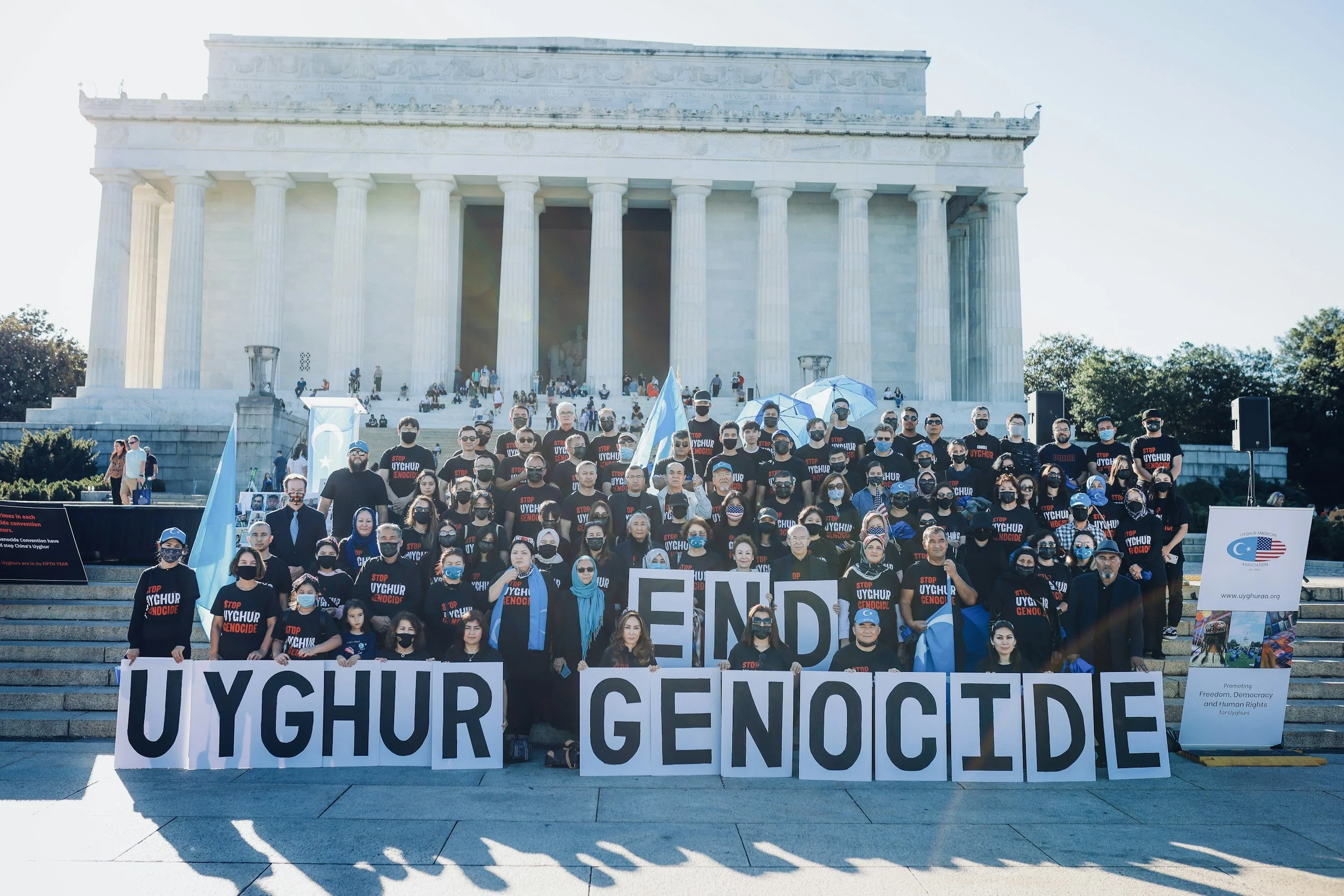
In the 20th century, the travesty and weight of the two World Wars devastated the world and humanity. Together, the states saw to it that an international framework was built and implemented so that atrocities like the Holocaust and the Rwandan genocides would not go unnoticed and that perpetrators of such violence would be held accountable. This is why, in 1946, the United Nations declared genocide a crime under international law. They adopted the Convention on the Prevention and Punishment of the Crime of Genocide (CPPCG) in 1948, outlining its framework of articles. The articles most relevant here are Article 1, stating that the states that are parties to the Convention recognize genocide as a crime and commit to prevent and punish such acts. The other relevant article is Article 2, further outlining actions that constitute genocidal actions.

The legal framework around the participation of transgender individuals within their associated-gender sports has grown contested, condemned, and increasingly complex. The Civil Rights Act of 1964 extended the freedom to express one’s gender, sexual, and personal identities in public and private spaces, free from discrimination or limitation. While the controversy of transgender participation includes concerns of fairness and physical justice for female-born athletes, the legal restrictions present concerns for equal rights under the law. In 2024, President Biden grew aware of threats to transgender and sexual identity rights, subsequently instating greater protections for transgender athletes. Immediately, Trump vowed to roll them back, and he has followed through. On February 5th, 2025, President Trump signed an executive order titled “Keeping Men Out of Women’s Sports” (Executive Order 14201). The legality of this executive order breaches into numerous fields of civil rights regarding equal protections along gendered lines. It also extends the legal controversy between civil liberties and identity-based politics, and how these two have grown increasingly intersectional and interconnected. This chapter aims to unravel the legal obstacles surrounding the evocation of this order, its current and international social impact, and the relevance of upholding the law moving forward.

One of the most prominent policy changes of Donald Trump’s campaign for his second presidency centered around the mass deportation of immigrants illegally in the United States. After returning to office, he quickly went to work amending preexisting acts in order to accomplish his goal, and already deported almost 40,000 immigrants in his first month. The new administration’s aggressive policy reforms have sparked scrutiny throughout the country and are now under pressure from multiple legal challenges. So, the questions remain: why are deportations legal, and how do the Trump administration’s new efforts differ from the past? This article will examine the legal framework surrounding these new policies, the legal challenges they face, and the potential implications for the future of immigration law in the United States.

In recent years, the interpretation of Title IX has shifted from being assessed through the statute's text to being shaped by the priorities and motivations of the current administration. Despite differing approaches, one constant remains: Title IX, as it stands currently, is at a major crossroads, with legal scholars deeply divided on how to address its challenges and shape its future. One such challenge is data collection. Organizations like the Rape, Abuse & Incest National Network (RAINN) and the Association of American Universities (AAU) have conducted surveys regarding the prevalence and perception of sexual misconduct on college campuses; yet, until recently, laws mandating campus climate surveys were not instituted on a federal level, with inconsistencies across states. The 2022 omnibus spending bill now requires all U.S. campuses to complete a survey by 2024. However, the Higher Education Sexual Misconduct and Awareness Survey (HESMA), born from this effort, has faced criticism for its small, unrepresentative sample. Accurate data is essential, as S. Daniel Carter, the president of Safety Advisors for Educational (SAFE) Campuses, states, “Without hard data, you can’t know how to effectively target and respond to problems.”

Global recognition of the right to housing has been a staple of human rights since 1948. First solidified in Article 25 of the 1948 Universal Declaration of Human Rights, covenants like the 1966 International Covenant on Economic, Social and Cultural Rights and the Covenant on Civil and Political Rights (CCPR) have further instilled a right to housing. Though many have signed the Covenants and ratified some of its treatises, these agreements are not legally binding; thus, they serve as a foundation upon which states can recognize and allow to inspire their laws in accordance with the declaration. Despite a global recognition of the human right to housing, with 172 countries having ratified the right, there are growing tensions and rulings occurring in states around the world that have begun to undermine or ignore the right to housing at the peril of individuals’ rights and livelihoods.

The Clean Air Act of 1970 gives the Environmental Protection Agency the power to set national air pollution guidelines known as National Ambient Air Quality Standards (NAAQS). In 2015, the EPA made the NAAQS for ozone stricter. However, due to the possibility of cross-state air pollution where upwind states could prevent downwind states from achieving the new NAAQS, the EPA proposed a transboundary Good Neighbor Plan. The provision calls for upwind states to reduce ozone-forming nitrogen oxide (NOx) emissions from industrial facilities to “result in cleaner air and better health for millions of people living in downwind communities.” The twenty-three upwind states were then required to submit individual State Implementation Plans (SIPs) to reduce their respective emissions. However, the EPA rejected twenty-one of these plans and subsequently decided to implement (or, as the states would see it, impose) its own Federal Implementation Plan to meet the NAAQS. The FIP triggered a legal challenge from three states and several trade associations, requesting a court to temporarily stay the EPA rule, arguing that the emission controls were “arbitrary or capricious.” Twelve of the original twenty-three upwind states have already been granted stays from lower courts.
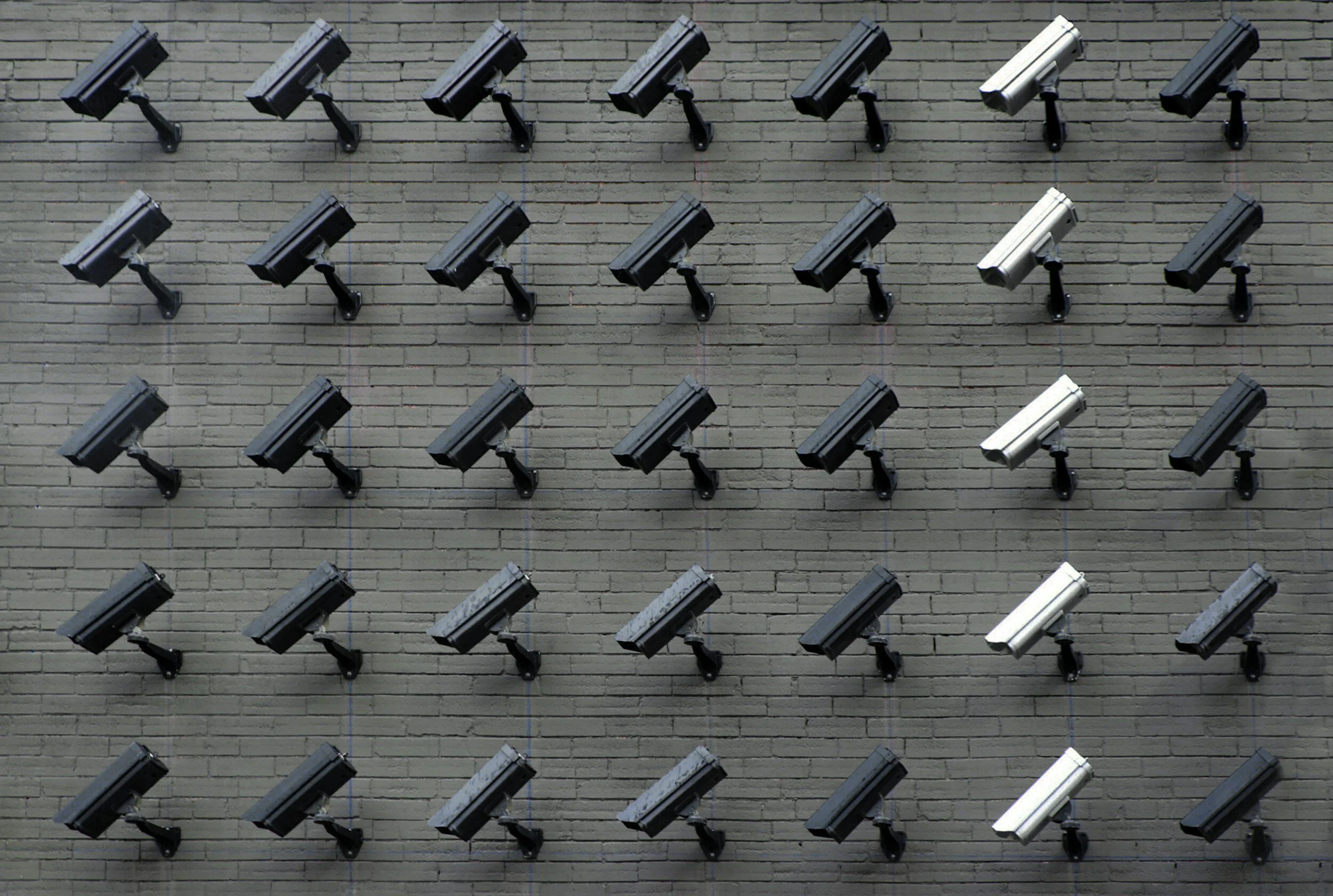
Privacy law stands at the intersection of individual rights, government regulation, and societal norms, shaping the landscape of healthcare, reproductive rights, and personal freedoms. In today's world, where advancements in technology and shifts in political landscapes continuously redefine the boundaries of privacy, grasping the significance and dynamic applications of privacy law is growing increasingly crucial. This roundtable explores three distinct realms where privacy law exerts its influence: gender-affirming healthcare, abortion rights, and government surveillance.

The role of international organizations in regulating and enforcing global conventions and agreements is both potent and tenuous. On the one hand, institutions such as the United Nations and the European Union are backed by the power of legal jurisdiction over all states that subscribe to their authority. On the other hand, because this authority stems from the states themselves, the institutional capacity to meaningfully intervene and adjudicate in state matters is, to a certain extent, perpetually unsettled. This constant tension between legal mandate and practical capacity defines many international organizations. One of the many sensitive issues these organizations and conventions must tackle is the question of limits to the right to privacy, which has become a flashpoint in recent years due to the COVID-19 pandemic given the unprecedented level of data sharing and public health monitoring that states have undertaken to address the public health crisis.

The adjudicative capacity of human judges, and hence the outcome of a process of legal dispute resolution, can be impacted by a great number of circumstances – the judge’s reliance on intuition, their personal beliefs, and even how long ago they last ate. [1] The proposition of (metaphorically) seating Artificial Intelligence (AI) on the bench is thus, prima facie, attractive, because, surely, computers can be more objective than human beings. A commonly held view by proponents of using AI in an adjudicatory role is that algorithms are more objective because they are thought to overlook ancillary characteristics like gender and race, which are generally not relevant to the legal question at hand, and towards which humans hold implicit biases. [2] Moreover, using AI in an adjudicatory capacity could potentially help in lowering the costs of administering justice, and streamline dispute resolution; indeed, this was the motivation behind Estonia’s use of AI to resolve certain small-claims cases. [3] AI then seems like a panacea to the twin ills of inefficiency and non-objectivity in judicial decision making. However, there are compelling pragmatic and principled reasons, both pragmatic and principled, against involving AI in the judicial decision making process.
Featured Current Events Articles
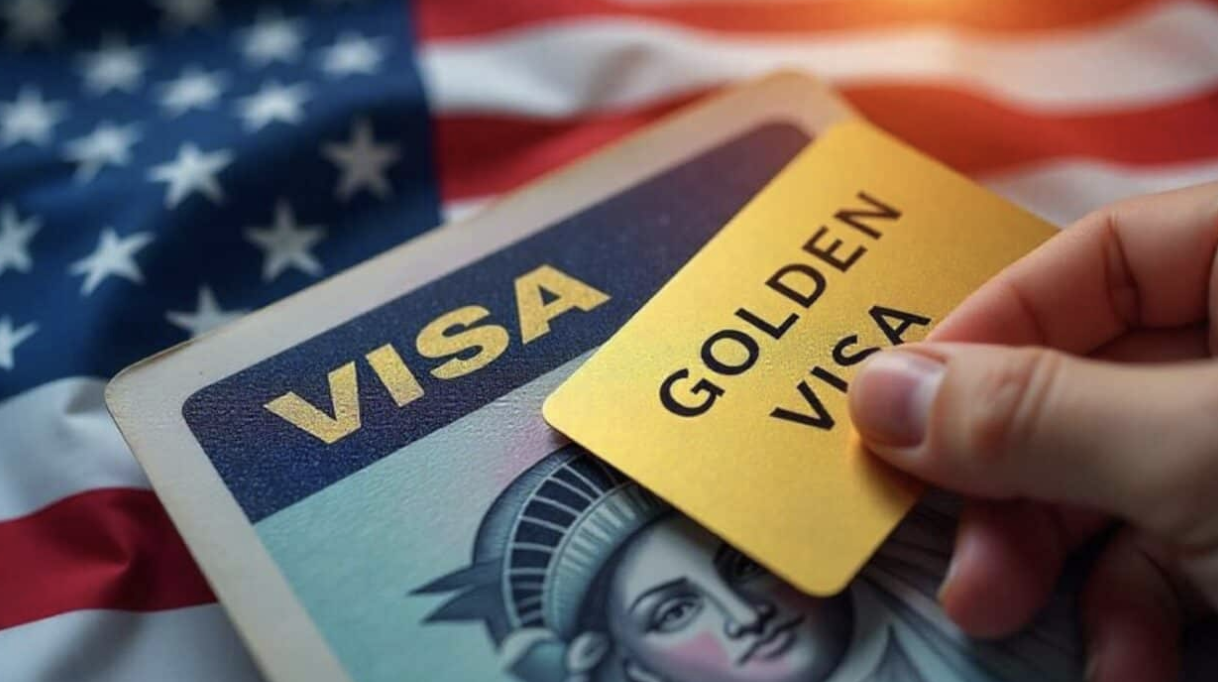
On September 19, 2025, the Trump administration announced the Gold Card Program, a way to expedite eligibility for an immigration visa for those who can provide a significant financial contribution. More specifically, an individual must donate at least one-million dollars, while a corporation can donate two-million dollars on behalf of an individual. The donations go towards a separate fund to “promote commerce and American industry” and relieve the national debt. On December 19, 2025, President Donald Trump stated the program had reached $1.3 billion in sales.
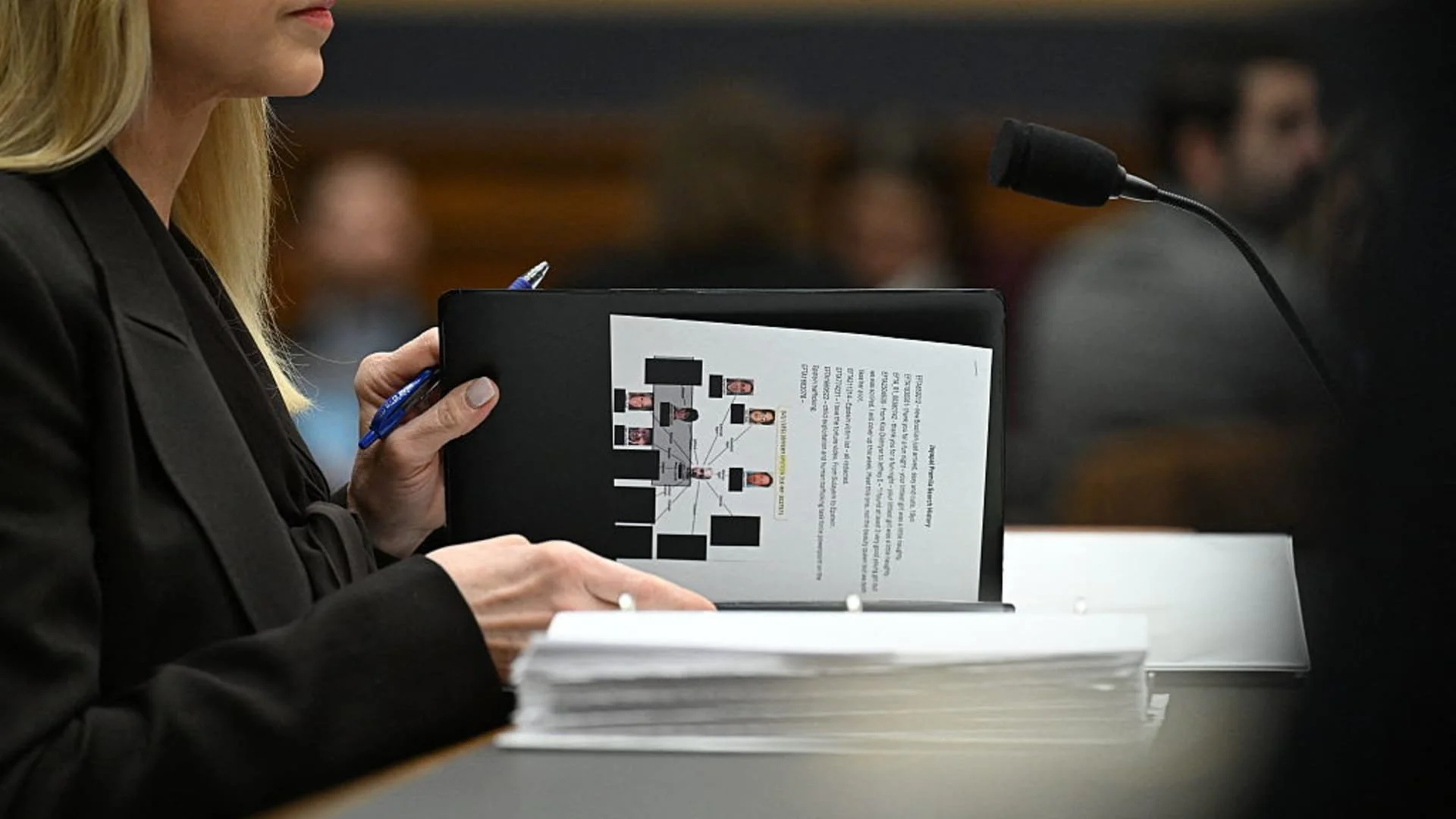
The legal tension surrounding the Epstein Files started long before the release of three million pages of documents, following Jeffrey Epstein’s death in federal custody in August 2019. The closed-door discussions of the Epstein files sowed mistrust and fueled conspiracies among the general public and lawmakers, mounting pressure on President Trump’s Department of Justice (DOJ) to release the full, unredacted records of the sex trafficking investigation. Despite the concerns of violating victims’ privacy, release of the files became a rallying cry across social media and Capitol Hill, culminating in Representative Ro Khanna of California’s introduction of the Epstein Files Transparency Act to the House of Representatives on July 15, 2025. On November 19, 2025, President Donald J. Trump signed the bill into law, granting Representative Ro Khanna (D-CA) and Thomas Massie (R-KY), along with four other members of Congress, access to review the unredacted files to conduct an oversight investigation.

The Supreme Court’s 2011 ruling in American Electric Power Co. (AEP) v. Connecticut held that the Clean Air Act takes precedence over federal common law public nuisance claims involving greenhouse gas emissions, since Congress has vested the Environmental Protection Agency (EPA) with regulatory authority over those emissions. However, the Court did not rule on whether the Act also preempts tort claims under state law. While it left that matter open and unresolved, it is a question that is now at the heart of climate liability litigation. Today, as cities including Baltimore, Honolulu, and a number of California municipalities file state tort suits against fossil fuel companies for damages and compensation tied to climate-related harm, the fossil fuel industry’s primary line of defense is to argue that the Clean Air Act preempts these claims entirely. However, the defense fails: the displacement of federal common law and preemption of state law are different legal doctrines governed by different standards. A reading of the Clean Air Act’s text, its regulatory structure and its saving clause demonstrates no congressional intent to foreclose state tort remedies.

The accelerated development of Artificial Intelligence (AI) has led to widespread integration, and huge efforts to modernize and streamline operations through AI. As governing bodies continue to tackle the challenge of properly regulating mass AI use, varying policies have arisen, especially across international borders. Among all international relationships, one of the most crucial is that between the United States and the European Union, with the two entities sharing the largest Foreign Direct Investment (FDI) relationship in the world. Considering this, a curious case study here is the integration of AI into credit scoring systems by major financial institutions that operate in both regions. Cross-border regulatory inconsistencies create compliance burdens for financial institutions and obscure accountability when conflicts arise. For consumers, regulatory inconsistency raises critical questions about data collection, transparency, and their legal recourse against automated decisions. With this in mind, an equivalence agreement with characteristics of a mutual recognition agreement (MRA) would be beneficial allowing individual countries to retain their existing laws, while ensuring the proper enforcement of mutually agreed upon standards and the revision of laws to an equivalent standard.

The 2025-2026 U.S. tariff escalation is often dubbed “unprecedented,” and considered an unanticipated byproduct of the capricious storm that is electoral turnover. It has devastated the fragile multilateral trading order the United States spearheaded in 1947 and, in its wake, left a global question of what is next for trade policy. However, when the skies clear, the legal context will reveal that the contemporary resurgence of tariffs did not arrive without warning, and its clouds had been gathering for decades. The regulatory gap between two international institutions, structurally incapable of monitoring the shifting climate of trade law on the horizon, has always existed. This article analyzes the legal statutes that permit and reflect the changing culture of trade law, offering an alternative to understand the post-2025 expansion of tariff measures. Beyond its evident status as a political development, I argue that it is the product of a structurally inevitable legal vacuum at the international level.

On February 27, 2026, Paramount Global confirmed a $110 billion all-cash offer to acquire Warner Bros. Discovery, creating one of the largest media mergers in U.S. history. The offer followed a bidding war with Netflix; however, Warner Bros. ultimately signed the initial offer from Paramount. Netflix later ceased its bidding after the United States Department of Justice (DOJ) began an antitrust investigation into the proposed Netflix-Warner Bros. merger. Paramount’s offer and acquisition were not met with the same scrutiny. Paramount’s waiting period, mandated by the Hart-Scott-Rodino Antitrust Improvements Act (HSR), expired on February 19, 2026. The legal barriers that Netflix and Paramount each faced were markedly different. Warner Bros. Discovery functions as both a major content producer and distributor, owning cable networks and streaming platform HBO Max, meaning its acquisition by another major content producer and distributor, such as Paramount or Netflix is significant for antitrust analysis.
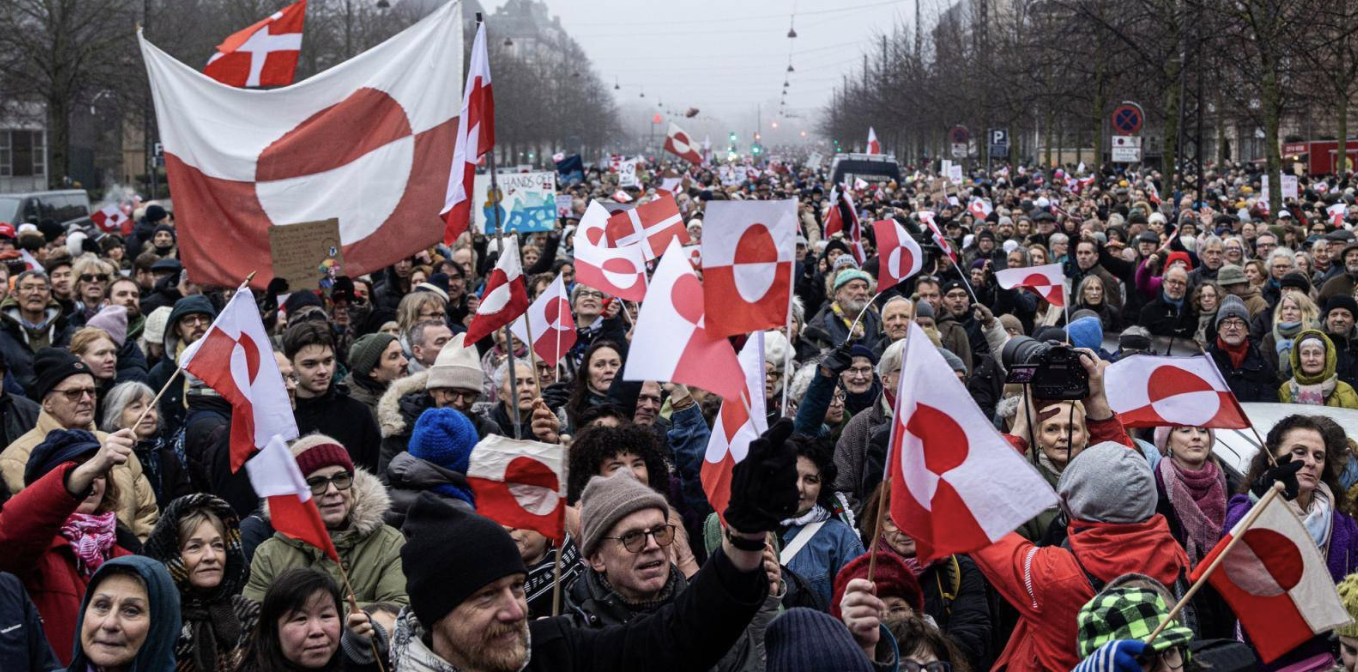
During his first term, President Donald Trump expressed interest in purchasing Greenland, a semi-autonomous country of the Kingdom of Denmark, which comprises three constituent countries that are Denmark, the Faroe Islands, and Greenland. He cited security-based and resource-based rationales. Greenland’s location in the North Atlantic could provide strategic advantages against Russia and China, and its vast reserves of natural resources could be used for industrial and military purposes. Since Greenland is a constituent country of the Kingdom of Denmark, it can maintain its own self-governing authority but lacks full sovereignty over foreign affairs and defense and must refer to Denmark when making decisions involving those matters. In response to President Trump’s statements, Denmark and Greenland were firmly opposed to his pursuit. Ultimately, no deal was obtained between Denmark and the U.S. and Greenland remained under the Kingdom of Denmark. Now, in his second term, President Trump has revived his efforts in purchasing Greenland, citing the same reasons. Yet revitalized interests are far from enough for President Trump to acquire Greenland. Under current international and domestic law and legal precedent, the United States’ acquisition of Greenland would be an illegal act.
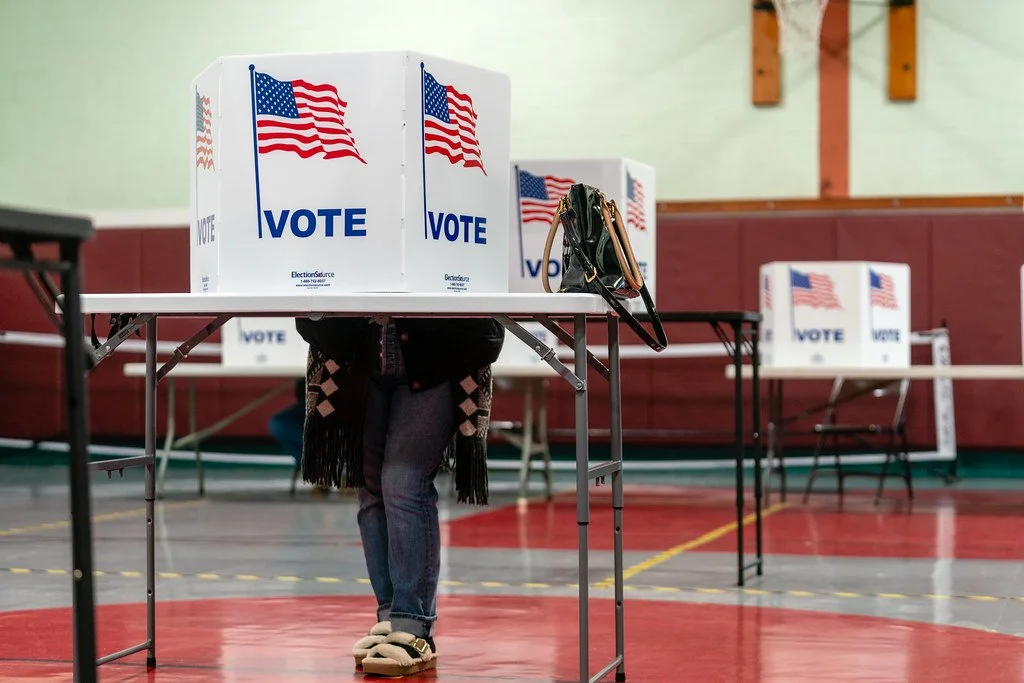
At the center of American democracy, the 26th Amendment guarantees 18-year-olds the right to vote. However, Supreme Court-approved state voting rules have made it harder for young Americans to vote. In Crawford v. Marion County Election Board (2008), the Court upheld Indiana’s voter ID law, which requires voters to present a government-issued photo ID showing the name, photograph, and expiration date. Acceptable IDs include an Indiana driver’s license, a state ID card, or certain federal IDs. However, most student IDs are not accepted because they often lack required features under state law.
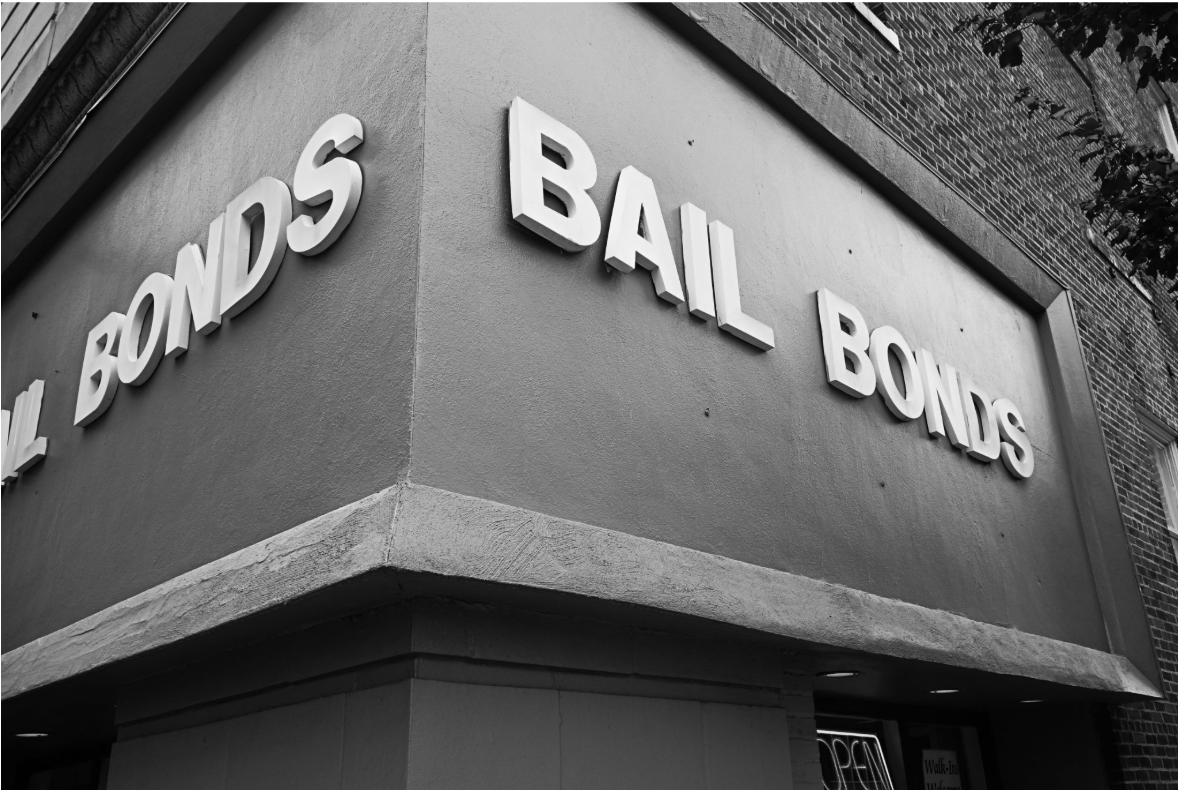
The use of bail has been heavily contested and reshaped across the United States since the late 2010s. At the heart of this debate is one main point of contention: whether judges should consider a defendant’s “ability to pay” when setting bail amounts. Tennessee and New York represent the opposite ends of the bail reform spectrum, and a comparison between the two demonstrates that neither approach has been able to properly address the issue’s constitutional premise. While Tennessee recently mandated that judges disregard financial status, New York has moved in the exact opposite direction.

Facial recognition technology (FRT) seems to be everywhere these days—it is in malls, airports, and our ever-present smartphones. First commercialized in the mid-1990s, FRT today is used widely in the police investigation process due to its efficiency. Despite how commonly the technology is used as an investigative tool, the legal protections to govern its use and avoid government overreach have not been updated accordingly due to a lack of federal FRT legislation. The Eighth District Court of Appeals case State v. Tolbert (2025) reveals this lack of judicial oversight over FRT. While the case is still active and ongoing, the facts established in the case and the rulings to date point to the need for clearer FRT regulations.

With the closure of College Walk in 2023, many residents of Morningside Heights were left disgruntled by the loss of a historical pathway to traverse the university campus. Hence, in January 2025, petitioners filed a Verified Amended Petition in the New York County Supreme Court against Columbia University, its trustees and former president, and several municipal defendants. According to the pleading, the closure is unlawful on four independent legal grounds: a claimed public pedestrian easement originating in 1953 when the city closed the street and transferred property interests; an Article 78 proceeding designed to compel the City to enforce public access against the university; a theory of public nuisance based on the loss of a widely used pedestrian corridor; and disability-access claims under the Americans with Disabilities Act and § 504 of the Rehabilitation Act. Each of these arguments depends, directly or indirectly, on the existence of a legally enforceable right of public passage over College Walk. Without such a right, the petition is difficult to sustain.
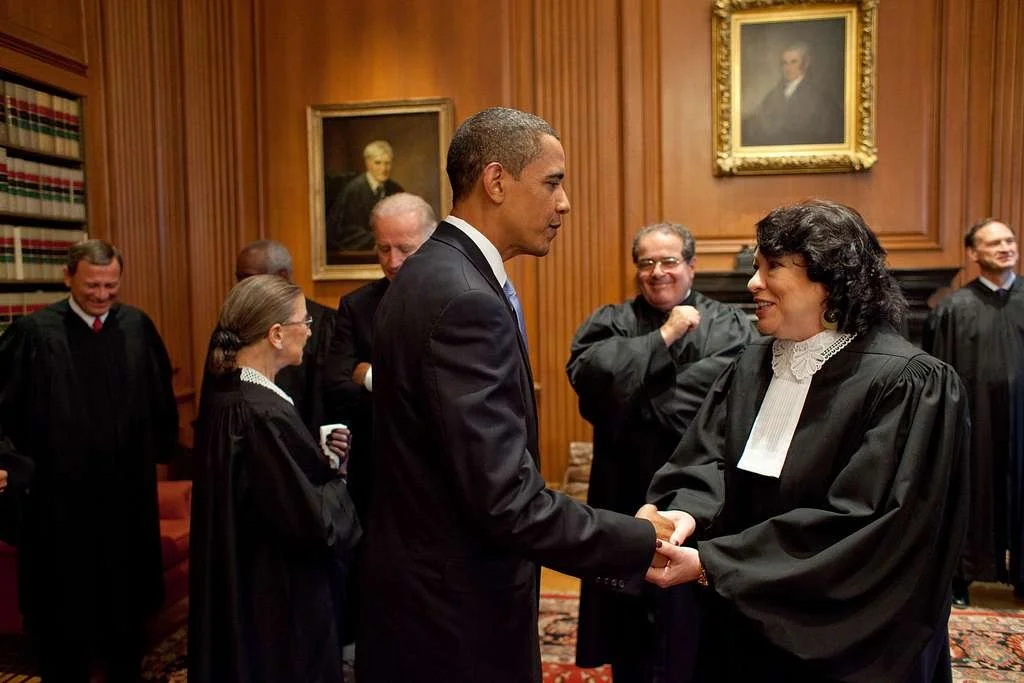
On September 11, 2019, the Supreme Court issued an unsigned per curiam order that dramatically altered the course of a major immigration policy. In a one-paragraph decision containing no explanation, the Court stayed a nationwide injunction that had blocked enforcement of the Trump administration's new "asylum-transit" rule, a regulation denying asylum eligibility to any non-citizen who traveled through a third-world country en route to the United States without first seeking protection there. The state meant that the government could immediately implement the asylum transit ban despite lower courts' findings that the policy likely violated federal immigration law and administrative procedural requirements. Justice Sonia Sotomayor filed a brief dissent where she warns that the Court's precipitous intervention short-circuited the normal judicial process and failed to honor the "extraordinary" showing needed for such emergency relief. Apart from Sotomayor's dissent, however, the court offered no legal reasoning for its decision.

The Artificial intelligence actress Tilly Norwood was created in February of 2025, by the UK-based production company Particle6. She looks and acts completely human and, since her creation, has been in a few short films with a large presence on social media. However, since her first appearances, the AI-actress has faced severe backlash across social media. Norwood’s debut was only the beginning of a sweeping campaign with AI emerging in the entertainment industry. As NBC points out, AI filmmaking over the past few years has quickly entered mainstream media. Studios have begun working with AI companies to explore the technology’s potential in content creation, and apps like Sora by ChatGPT allow people to create, upload, and view AI-generated videos featuring anyone via a face-scan and text prompt. The use of AI across art mediums has quickly become a polarizing topic to many artists. In an age where AI has inevitably found its way into entertainment and art industries, how does intellectual property law create boundaries that protect human-generated art, and where, if at all, is the boundary drawn on what can be protected as intellectual property when AI is used? With AI rapidly evolving, intellectual property law must be able to distinguish between artists who use AI and works of art that are simply machine-generated, in order to protect human creativity and ingenuity without blocking the use of technology.

They live by the sea, but outside the law. What’s the first thing that comes to mind when you think of pirates? Perhaps Captain Jack Sparrow, multi-masted ships, treasure chests, or the Jolly Roger flag. The enduring legacy of piracy doesn’t revolve around treasure; it revolves around the archaic legal systems molded to destroy pirates’ enterprise. While modern usage defines piracy as “the act of attacking ships to steal from them,” this oversimplified definition fails to reflect the term’s evolution. The critical shift, since the 14th century, lies in the lack of state sanction. By overlooking this crucial element, the current definition depoliticizes the crime, treating it merely as a violent act and failing to recognize its genuine implications for national sovereignty. Former Secretary of State Hillary Clinton posited that piracy was ‘‘a seventeenth-century crime’’ requiring ‘‘twenty-first century solutions.” This further highlights the persistent tension in how outdated legal assumptions continue to shape modern anti-piracy approaches.
In October 2025, the New York Civil Liberties Union, ACLU Immigrants’ Rights Project, and Make the Road New York filed African Communities Together v. Lyons, a lawsuit against ICE challenging the agency’s courthouse arrest practices, under which hundreds of immigrants in New York City were detained during court hearings despite having no criminal records. The high arrest rate in the state is a huge enforcement tactic deployed by ICE that has expanded significantly. The recent rulings from the court provide proof the country needs a more powerful state protection in our society and a more thought-out community for immigrants. The ICE enforcement in New York City has been characterized by mass courthouse arrest rates, limited legal aid, and defied state protections. Recent court rulings expose the due process crisis in New York’s immigration enforcement system, revealing the urgent need for stronger state protections to shelter immigrant access to justice.

Ethiopia-Sudan border tensions can be traced back to the 20th century, with the presence of a third party, England, which exercised colonial control over Sudan. In 1902, the British drew a border between Sudan and Ethiopia, as outlined in the Anglo-Ethiopian Treaty of 1902. Although Ethiopia’s name is included in the title, this agreement omitted Ethiopia’s consideration as to where the border should be drawn. The border was hastily drawn by an outside party that was barely cognizant of the sensitive cultural or ethnic relations. Groups with similar heritage were split apart without a second thought. The highly contested al-Fashaga region was claimed as part of Sudan by the British. This region is highly fertile and provides many coveted resources. Despite both Sudanese and Ethiopian farmers living in and cultivating this area, British Sudan claimed the entire region. This lack of an official and fair agreement allowed for more conflicts between the two nations, the impacts of which are still felt today.
